Is Ghana Safe to Visit? Practical Safety Guide
Is Ghana Safe to Visit? Practical Safety Guide
Is Ghana safe to visit? Review realistic guidance on crime, roads, health, beaches, regional conditions, solo travel, and local support.
Written by Herit360 Editorial Team | Operational review: Herit360 Destination Operations | Last reviewed: August 2026
QUICK ANSWER Many visitors travel in Ghana without a serious incident, but no trip is risk-free. The main practical concerns include theft and scams, road safety, strong ocean currents, health preparation, heavy rain and changing regional conditions. Check current official advice, use verified providers and transport, insure the full route and keep a clear communication plan. |
Ghana welcomes leisure travelers, business visitors, students, diaspora families and international groups throughout the year.
Many complete their visits without a serious incident. That does not mean every part of the country, every journey or every activity carries the same level of risk.
The useful question is not simply, “Is Ghana safe?” It is: “What are the realistic risks for my route, activities and travel style, and how will they be managed?”
Check Regional Advice Before Traveling
At the time of the article's original review, the UK Foreign, Commonwealth and Development Office advised against all but essential travel to Bawku Municipality in the Upper East Region because of violent incidents and changing security measures.
Its current Ghana travel advisory also recommends monitoring local conditions in areas affected by conflict or political tension.
This is not advice against traveling to all of Ghana. It does mean you should check northern routes carefully rather than build them from an old itinerary.
Travel advisories affect insurance differently. Confirm whether your insurer will cover every region on your route.
Crime and Personal Security
Travelers should take precautions against:
· Pickpocketing
· Bag snatching
· Phone theft
· Armed robbery
· Accommodation burglary
· Card fraud
· Romance and business scams
· Unverified airport pickups
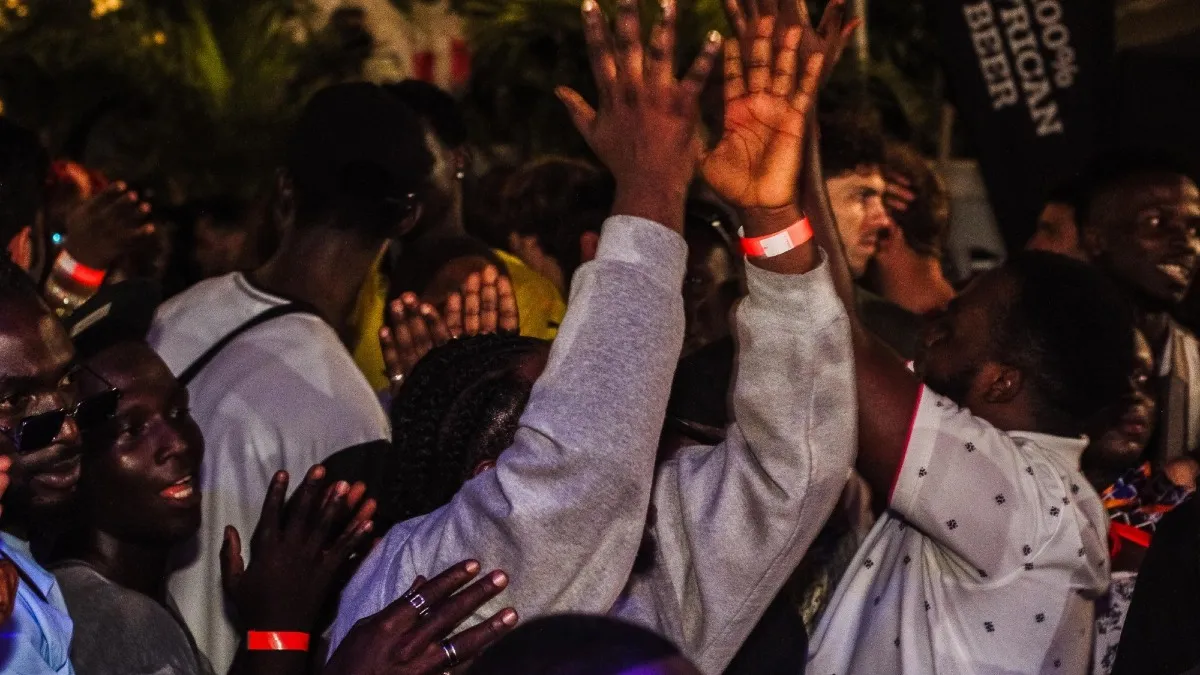
· Theft at crowded events
· Vehicle-related crime
The UK government's Ghana safety guidance advises visitors to be especially careful after dark, avoid carrying large amounts of cash, and secure passports and valuables.
Practical steps include:
· Use verified transportation
· Keep vehicle doors locked and windows raised
· Avoid walking alone late at night
· Do not display cash or expensive devices unnecessarily
· Use secure ATMs in controlled locations
· Keep your bank card in sight
· Store your passport securely
· Carry a copy of your passport identification page
· Confirm your airport driver's identity
· Avoid sharing accommodation details publicly
· Keep your phone charged
No operator should describe Ghana as completely risk-free.
Airport Pickup Safety
Kotoka International Airport can feel busy after an international arrival.
Before traveling, request:
· Driver's full name
· Phone number
· Vehicle description
· Registration number
· Meeting-point instructions
· Company identification
· Backup contact
Do not leave with someone merely because they know your name. You may have read a name from a welcome sign.
If uncertain, remain inside a controlled area and contact the hotel or travel coordinator directly.
Road Safety
Road travel is one of the most significant practical risks in Ghana.
Challenges may include:
· Poor lighting
· Potholes and damaged roads
· Heavy traffic
· Unpredictable driving
· Pedestrians and animals
· Unmarked hazards
· Vehicle breakdowns
· Flooding
· Driver fatigue
· Long emergency-response times outside cities
Use a well-maintained vehicle and an experienced driver. Avoid long intercity travel after dark wherever possible.
A route that appears short on a map may require much longer because of traffic, road conditions, construction, or weather. Do not pressure a driver to maintain an unsafe timetable.
Beach and Water Safety
Ghana's coastline can have strong currents, rip tides and undertows.
A beach that looks calm is not automatically safe for swimming. Follow current local guidance and:
· Use managed swimming areas
· Do not swim alone
· Avoid swimming when intoxicated
· Supervise children closely
· Ask about current conditions
· Wear life jackets during boat activities
· Use verified boat and watersport providers
· Do not enter unfamiliar water after dark
Wildlife, waterfall, river and lake activities carry their own conditions and should be assessed separately.
Health Preparation
Travelers should consult a qualified travel-health professional before departure.
Relevant issues may include:
· Yellow fever
· Malaria
· Food- and water-related illness
· Heat and dehydration
· Air quality and Harmattan dust
· Allergies
· Required medication
· Travel insurance
· Emergency evacuation coverage
Confirm current entry requirements and health advice through official sources before travel. Travelers with a health condition, disability or pregnancy should confirm whether their destinations can provide the necessary care.
Flooding and Weather
Heavy rain can disrupt roads, electricity, transport and activities. Accra and other areas may experience significant flooding after heavy rain. Never instruct a driver to move through floodwater when the depth or road condition is unknown.
Monitor the Ghana Meteorological Agency and local authorities during the rainy season. Outdoor activities should have a weather alternative or rescheduling policy.
Solo and Women Travelers
Solo travel in Ghana is possible, but it requires deliberate planning.
Good practice includes:
· Book the first airport transfer in advance
· Choose verified accommodation
· Share your itinerary
· Avoid isolated walking after dark
· Meet new contacts in public places
· Control your own transport home
· Do not disclose your room number
· Use structured group experiences when exploring unfamiliar areas
· Keep an emergency contact accessible
Unwanted attention may occur. A guide or driver should take concerns seriously rather than dismissing them as cultural misunderstanding.
LGBTQ+ Travelers
LGBTQ+ travelers should review current legal and social conditions carefully. Consult current specialist guidance, understand the legal environment, and make informed decisions about public behavior, accommodation, and digital privacy.
Local Laws and Cultural Awareness
Visitors should respect Ghanaian laws and local protocols.
· Do not possess or use illegal drugs
· Avoid wearing military camouflage
· Ask before photographing people
· Do not photograph airports, military sites or sensitive facilities
· Follow rules at palaces, shrines and ceremonies
· Dress appropriately for religious and traditional settings
· Avoid demonstrations and political disturbances
· Carry suitable identification
· Obtain consent before photographing children or community members
Traditional access is permission-based. Paying for a tour does not override community authority.
Emergency Contacts
Travelers should verify current emergency numbers and also save contacts for their travel insurer, embassy or consulate, accommodation, tour operator, local coordinator, trusted family contact and medical provider.
Document and escalate serious incidents promptly.
How Herit360 Supports Safer Travel
Herit360 can reduce avoidable uncertainty through:
· Verified suppliers
· Confirmed airport pickups
· Driver and vehicle records
· Accommodation checks
· Daily itinerary confirmations
· Route monitoring
· Weather and operating updates
· Emergency contacts
· Incident-response procedures
· Group communication
· Accessibility and health disclosures
· Alternative arrangements
· Supplier-performance records
No travel company can eliminate every risk. The goal is to identify foreseeable risks, communicate them honestly and respond effectively when plans change.
Frequently Asked Questions
Is Accra safe for tourists?
Many visitors navigate Accra without serious problems, but theft, scams, traffic and late-night transport require sensible precautions. Risk varies by place, time and activity.
Is Ghana safe for solo women travelers?
Solo travel is possible with deliberate planning: verified arrival transport, appropriate accommodation, controlled transport home, shared itineraries and clear responses to unwanted attention.
Are beaches in Ghana safe for swimming?
Not every beach or day is safe. Strong currents and undertows occur, so use managed areas, follow current local guidance, supervise children, and avoid entering unfamiliar water alone or after dark.
Related Herit360 Guides
· Ghana Visa on Arrival: Eligibility and Application Guide
· Best Time to Visit Ghana: Weather, Events and Prices
· Hotels Near Kotoka Airport: Best Areas for Easy Arrivals
Travel with a visible plan and dependable local support Herit360 can coordinate verified providers, private or shared transportation, confirmed reservations, destination guidance and on-ground assistance around your dates and comfort preferences. PACKAGE Browse Ghana Experiences CUSTOM QUOTE Request a Supported Ghana Journey WHATSAPP Ask Herit360 No operator can eliminate every travel risk. Herit360 helps identify foreseeable risks, communicate changes and coordinate support. |