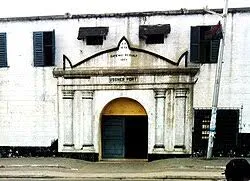
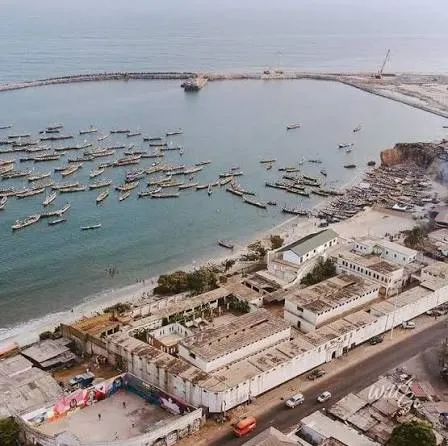
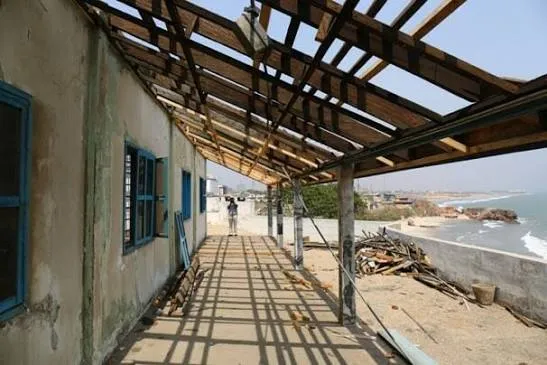
Ussher Fort (formerly Fort Crèvecœur)
UNESCO World Heritage Site | Historic Fort | Slave Museum | Heritage Attraction
Description
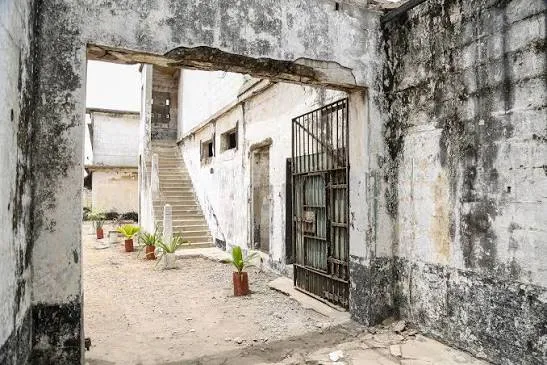
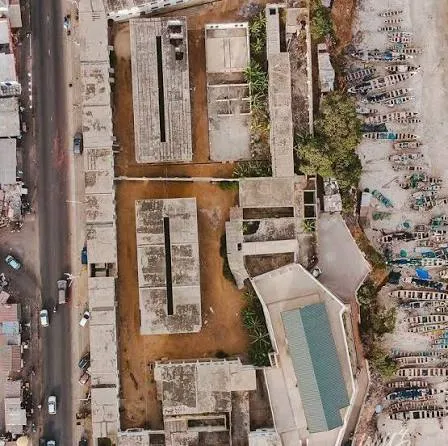
Ussher Fort, originally known as Fort Crèvecœur, is one of the oldest European forts on Ghana’s coast. First established by the Dutch as a trading lodge in 1642 and expanded into a fortified structure in 1649, it became one of the three major European forts built around present-day Accra during the 17th century. Following the Anglo-Dutch Gold Coast Treaty, the fort was transferred to British control in 1868 and renamed Ussher Fort after British administrator Herbert Taylor Ussher.
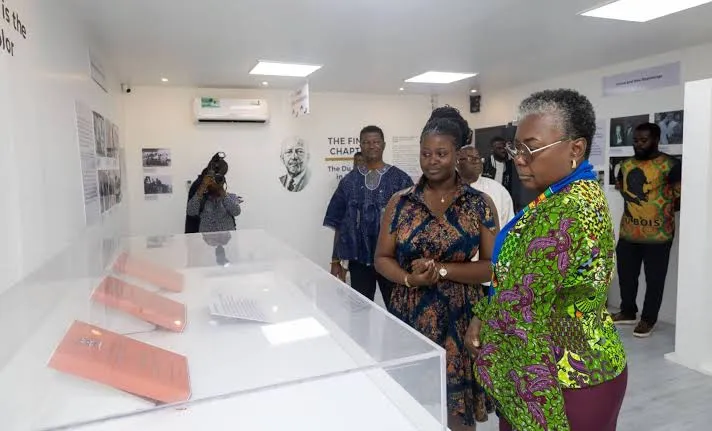
The fort played multiple roles throughout its history—as a trading post, slave dungeon, prison, police station, military detention facility, and colonial administrative center. Today, it houses the Ussher Fort Slave Museum and Documentary Centre, which preserves the history of the transatlantic slave trade and the African diaspora. Following a major restoration completed in 2021 by UNESCO, the Government of Ghana, and the Netherlands, the museum now serves as one of Ghana’s most important heritage and educational sites.
Experience Location & Route
📍 Address
Ussher Fort, 33 Prof.Atta Mills High St, Accra, Ghana
🗺️ Nearby Places
Climb one of Accra’s most iconic landmarks and enjoy panoramic views of the Atlantic Ocean and historic Jamestown.
Visit another UNESCO-listed colonial fort overlooking Accra’s historic fishing community.
Learn about the Afro-Brazilian returnees who helped shape the history and architecture of Jamestown.
Experience colorful fishing canoes, bustling fish markets, and authentic Ga coastal culture.
Discover Ghana’s independence history at the memorial of the country’s first President.
Shop for authentic Ghanaian handicrafts, kente cloth, beads, wood carvings, and souvenirs.
Explore one of West Africa’s busiest traditional markets for textiles, spices, local foods, and crafts.
Visit Ghana’s iconic ceremonial grounds featuring the Black Star Gate and Independence Arch.
Discover Ghana’s archaeological, ethnographic, and cultural heritage through fascinating exhibits.
Enjoy shopping, restaurants, cafés, rooftop bars, and Accra’s vibrant nightlife.