Ghana Student Group Travel: Safety and Planning Guide
Ghana Student Group Travel: Safety and Planning Guide
Plan Ghana student group travel with learning objectives, safeguarding, transport, accommodation, supervision and age-appropriate experiences.
Written by Herit360 Editorial Team | Operational review: Herit360 Destination Operations | Last reviewed: August 2026
QUICK ANSWER A Ghana student group trip needs one operating plan connecting learning goals, supervision, safeguarding, consent, rooming, transport, health information, accessibility and incident response. Select fewer destinations with stronger educational purpose, verify every provider, and show students and parents exactly what is confirmed, optional, restricted or still pending. |
A Student Trip Should Be Designed Around Learning
A student group can visit Ghana’s most important attractions and still return with little more than photographs.
Strong Ghana student group travel connects each destination to an academic, cultural, professional, or personal-development objective.
The trip might focus on:
· African and diaspora history
· Ghanaian government and politics
· Business and entrepreneurship
· Public health
· Science and technology
· Arts and performance
· Agriculture
· Environmental conservation
· Architecture
· Education
· Leadership
· University preparation
The subject should determine the itinerary—not the other way around.
Who Can Participate?
Student travel can be designed for:
· Primary and junior-high groups
· Senior-high schools
· Universities
· Study-abroad programmes
· International schools
· Student associations
· Diaspora youth organisations
· Homeschool groups
· Graduate and professional students
· Faculty-led research groups
The age, learning objectives, group size, mobility needs, and supervision structure will affect every operational decision.
A trip suitable for university students should not automatically be used for children.
Build the Learning Outcomes First
Before selecting destinations, define what participants should understand or be able to do after the journey.
For example:
Theme: Pan-African history Possible experiences: Kwame Nkrumah Memorial Park, W.E.B. Du Bois Centre, Independence Square, a historian-led discussion and reflection session.
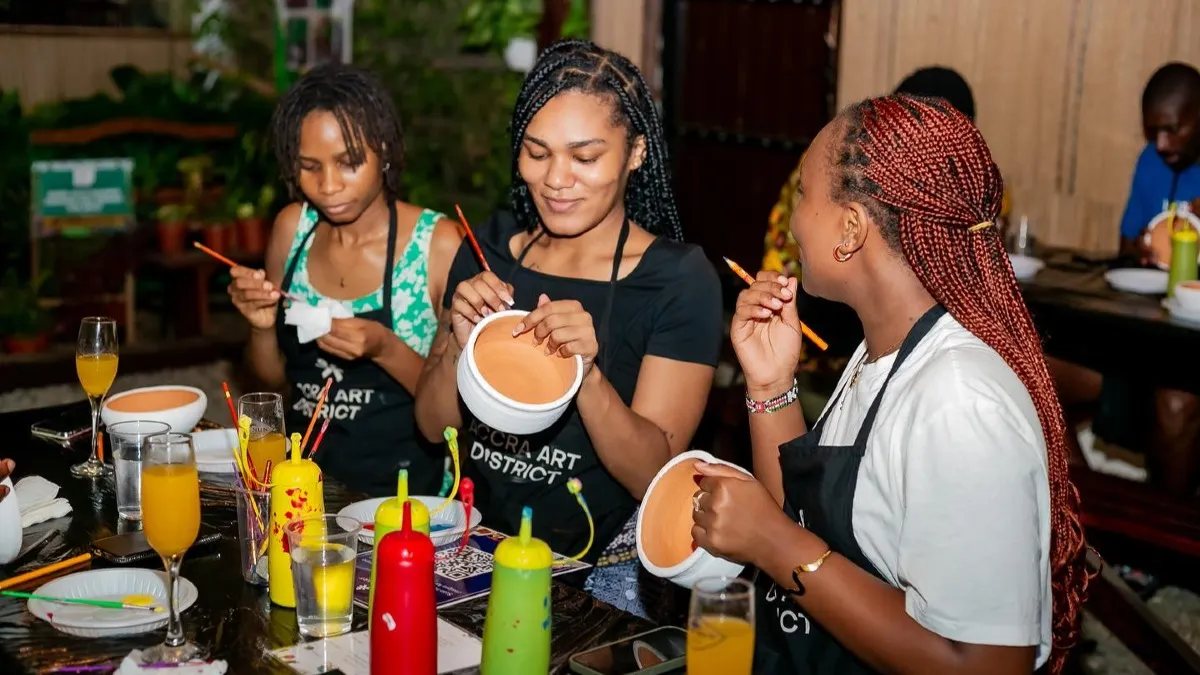
Theme: Asante culture and design Possible experiences: Manhyia Palace Museum, Ntonso Adinkra workshop, kente-weaving community and a session with an artisan.
Theme: Environment and conservation Possible experiences: Kakum National Park, Bunso Eco Park, a community conservation project or Lake Volta field activity.
Theme: University and career preparation Possible experiences: Campus tour, student panel, faculty discussion, laboratory or department visit and career workshop.
The Ghana Tourism Development Company has begun promoting university-experience tours that connect campus visits with nearby museums and cultural landmarks. GTDC describes the model as education through place-based discovery.
Work Directly with Educational Institutions
University and school visits require formal coordination.
The University of Ghana’s group-study program supports pre-arranged academic programs, field trips, research and experiential learning for partner institutions.
Do not arrive with a group and expect access to:
· Lectures
· Laboratories
· Libraries
· Student residences
· Faculty members
· University leadership
· Schoolchildren
· Research facilities
Requests should identify the group, objectives, ages, requested activities, dates, safeguarding requirements and responsible faculty member.
The University of Ghana’s Institute of African Studies, for example, asks school groups to provide advance written notice for educational museum tours. Its teaching-museum guidance currently requests at least one week’s notice.
Safeguarding Must Be Built into the Trip
For minors and vulnerable participants, safeguarding is not a paragraph hidden inside the terms and conditions.
The program should establish:
· Approved adult supervisors
· Background or institutional checks where applicable
· Age-appropriate supervision ratios
· Rooming rules
· Student check-in procedures
· Curfew and movement rules
· Medication management
· Allergy and dietary records
· Photography consent
· Lost-student procedure
· Anti-harassment reporting
· Emergency family contacts
· Escalation responsibilities
· Rules for interacting with local children
· Incident documentation
No adult should improvise private transport, accommodation changes or one-to-one activities with a minor outside the agreed protocol.
Select Appropriate Accommodation
Student accommodation does not have to be luxurious, but it must be safe and operationally suitable.
Verify:
· Room condition
· Occupancy per room
· Separate supervisor rooms
· Floor and building assignments
· Security and access control
· Fire and evacuation arrangements
· Backup electricity and water
· Meal provision
· Drinking-water access
· Reception coverage
· Quiet hours
· Student visitor policy
· Accessibility
· Bus parking and luggage handling
Create a rooming list before arrival and establish who is authorized to approve changes.
For younger groups, avoid spreading students across unrelated properties.
Transportation Is Part of the Safety System
The vehicle must match the group, route and luggage, not only the number of seats advertised.
Confirm:
· Vehicle registration and roadworthiness
· Driver identity
· Insurance
· Seat belts where fitted and required
· Luggage capacity
· Air-conditioning
· Fuel inclusion
· Driver hours and rest
· Waiting time
· Overnight-driver accommodation
· Route limitations
· Emergency replacement plan
· Additional-hour charges
· Communication with the group leader
Long journeys should include planned rest, meal and toilet stops.
Do not build a timetable that depends on uninterrupted travel at unrealistic speeds.
Design Heritage Visits with Care
Cape Coast Castle, Elmina Castle and Assin Manso can be emotionally difficult, particularly for diaspora students.
Prepare participants before the visit. Explain what the site represents, what the experience may involve, and how students can step away if needed.
Afterward, provide time for:
· Quiet reflection
· Group discussion
· Journaling
· Faculty debriefing
· Questions with a historian
· Emotional support
Do not schedule a celebratory activity immediately after an intense remembrance experience without appropriate transition.
Make Community Engagement Ethical
A school visit or donation should not be added simply to create emotional photographs.
Before confirming community engagement, ask:
· Has the community requested the visit?
· What is the educational purpose?
· Has consent been obtained?
· Who supervises the interaction?
· Are minors involved?
· Can photographs be taken?
· Is the local partner compensated?
· Are donations genuinely useful?
· Who is responsible after the group leaves?
Students should not perform medical, teaching, construction, childcare or counseling work without suitable training, supervision and local approval.
A Feasible Eight-Day Student Journey
Day 1: Arrival and Orientation
Airport coordination, accommodation check-in, safety briefing, cultural orientation and welcome meal.
Day 2: Accra History and Civic Life
Independence Square, Kwame Nkrumah Memorial Park, selected museum or institution and facilitated reflection.
Day 3: Academic or Professional Engagement
University visit, faculty session, student exchange or industry experience.
Day 4: Accra to Cape Coast
Travel to the Central Region with a structured heritage orientation.
Day 5: Heritage and Reflection
Cape Coast or Elmina Castle, guided discussion and coastal stay.
Day 6: Environment and Conservation
Kakum National Park or another curriculum-aligned environmental experience.
Day 7: Creative Learning
Art, food, textile, music or performance workshop followed by a closing presentation.
Day 8: Departure
Evaluation, final briefing, airport transfer and departure coordination.
The route should be simplified further for younger students.
How Herit360 Supports Student Groups
Herit360 can coordinate the Ghana-based operating system for the trip, including:
· Verified accommodation
· Transportation
· Airport arrivals and departures
· Educational visits
· Local guides and facilitators
· Group meals
· Rooming lists
· Student communication
· Daily confirmations
· Incident support
· Accessibility arrangements
· Supplier documentation
· Parent or institutional updates
· Post-trip reporting
The school, university or program provider retains responsibility for academic approval, safeguarding leadership and participant eligibility.
Frequently Asked Questions
What group information is needed before pricing?
Provide dates, student ages, group size, chaperone ratio, rooming needs, learning objectives, mobility or dietary requirements and the level of private transport and support required.
How should student transport be managed?
Use verified vehicles and drivers, passenger manifests, realistic route times, seat and luggage capacity, rest planning, check-in procedures and a backup communication method.
Can student trips include heritage ceremonies?
Only when the activity is age-appropriate, culturally suitable and confirmed with the host. Participation, photography and learning context should be explained in advance.
Related Herit360 Guides
· Study Abroad in Ghana: Choosing the Right Program
· Is Ghana Safe to Visit? Practical Safety Guide
· Cape Coast Castle Tour: What to Know Before You Go
Planning for a school, university or student organization? Share your learning objectives, dates, group size, age range and budget. Herit360 will develop an operationally feasible proposal with accommodation, transport, educational experiences and group support. PACKAGE Explore Student Cultural Immersion CUSTOM QUOTE Request a Student Group Quote WHATSAPP Ask Herit360 |