
Study Abroad in Ghana: Choosing the Right Program
Study Abroad in Ghana: Choosing the Right Program
Choose a study abroad Ghana program by academic fit, safeguarding, local partnerships, housing, field learning, cost and student support.
Written by Herit360 Editorial Team | Operational review: Herit360 Destination Operations | Last reviewed: August 2026
QUICK ANSWER The right study abroad program in Ghana should match academic outcomes with responsible local engagement. Compare accreditation or credit arrangements, faculty oversight, safeguarding, accommodation, transport, health and emergency support, partner roles, accessibility, total cost and how field experiences connect to the curriculum, not just the destination list. |
Ghana Can Be a Classroom, but It Is Not a Case Study
A strong study abroad Ghana program should help students learn with Ghanaian institutions and communities, not simply observe them.
Ghana offers opportunities to study African history, public health, business, politics, engineering, education, development, arts, music, language, environmental studies, diaspora identity, and many other subjects.
But the destination alone does not make a program educational.
The quality depends on academic design, local partnership, preparation, supervision, student support, and how responsibly field experiences are conducted.
The Main Types of Study-Abroad Programs in Ghana
Direct university or exchange program
Students may enrol through a partnership between their home institution and a Ghanaian university.
The University of Ghana International Programs Office accepts visiting students through institutional arrangements and recognised study-abroad providers. Applications may require endorsement from the student’s home university.
Direct exchange can offer deeper integration into campus life, but students should clarify:
· Course registration
· Credit transfer
· Academic calendar
· Grading
· Housing
· Orientation
· Visa support
· Health and emergency assistance
Provider-led program
Organizations such as CIEE offer structured Ghana programs with academic, housing, internship, cultural, and student-support components.
Provider-led programs may be easier to navigate, but inclusions and prices differ. Students should find out how much of the program is delivered by Ghanaian faculty, institutions, organizations, and community partners.
Faculty-led short program
A university may bring a group to Ghana for one to six weeks under the direction of its own faculty.
These programs can focus on:
· Heritage and diaspora studies
· Public health
· Business
· Education
· Engineering
· Agriculture
· Arts and performance
· Environmental studies
· Architecture
· International development
Short programs need especially careful pacing. Long road journeys, frequent hotel changes, and too many site visits can weaken the academic purpose.
Internship or experiential-learning program
Students may combine coursework with professional experience in areas such as education, public policy, agriculture, healthcare, technology, business, hospitality, media, or nonprofit work.
An internship should include:
· Clear learning objectives
· Defined supervision
· Appropriate work
· Realistic hours
· Safeguarding
· Feedback
· Assessment
· Local organizational consent
· A plan for resolving concerns
Students should not be placed in roles for which they lack training, particularly in healthcare, counseling, childcare, or vulnerable-community settings.
How to Evaluate the Academic Side
Before applying, ask:
· Who awards the academic credit?
· Will my home institution accept it?
· Which courses are available during my semester?
· Who teaches them?
· How are courses assessed?
· What is the attendance policy?
· Are classes shared with Ghanaian students?
· Is language study available?
· Are field experiences connected to coursework?
· How will transcripts be issued?
· What happens if a course changes or is cancelled?
Get credit approval in writing before departure. A verbal assurance from a recruiter may not satisfy your university after you return.
What Should a Good Cultural Program Include?
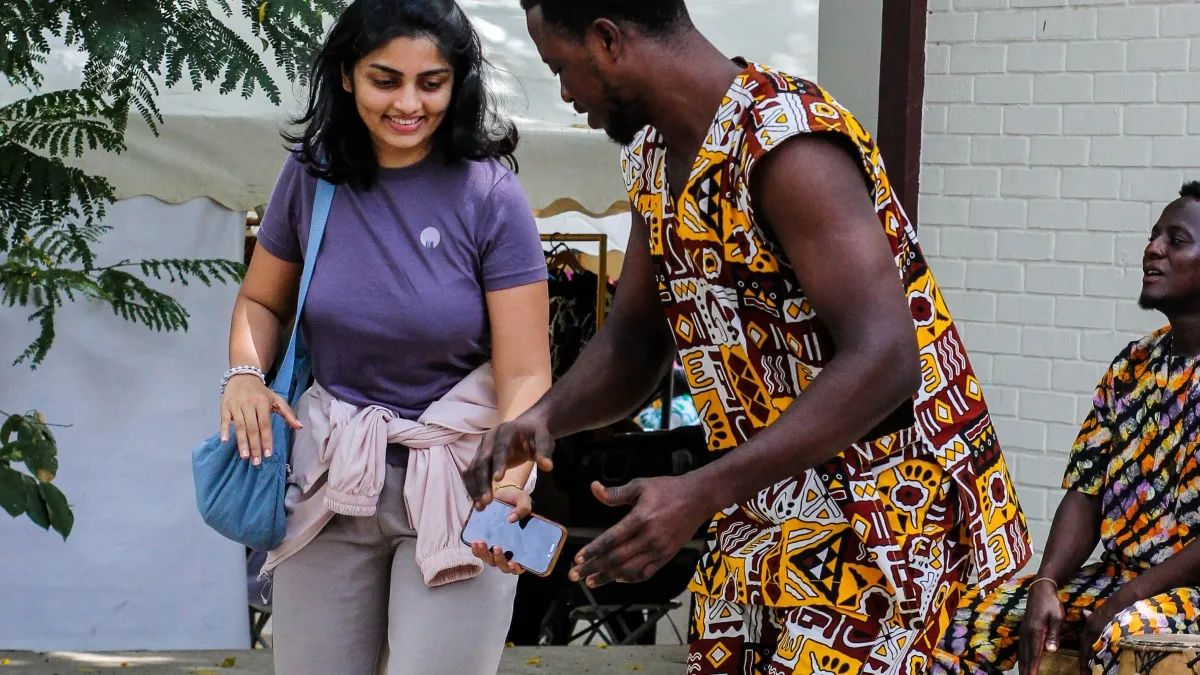
Cultural immersion should be more than a bus tour and group photograph.
A thoughtful program can include:
· Ghanaian-led orientation
· Local language introduction
· Accra history and city life
· Asante culture and craftsmanship
· Cape Coast and Elmina heritage
· Community-hosted learning
· Ghanaian arts and performance
· Food and market experiences
· Student-to-student exchange
· Reflection sessions
· Time for independent exploration
Heritage sites connected to the transatlantic slave trade require preparation and structured reflection. They should not be squeezed between unrelated entertainment activities.
Housing Options
Students may stay in:
· University accommodation
· International-student hostels
· Homestays
· Shared apartments
· Guesthouses
· Hotels
· Provider-managed residences
Each has different advantages.
A homestay may offer more direct cultural contact, but it requires family screening, clear expectations, accessible support, and a fair host payment.
An apartment may provide independence, but students need transport, security, cooking, utilities, and emergency systems.
University housing may support campus integration, though room standards and facilities may differ from what students expect at home.
What Costs Should You Expect?
The published program fee may not cover the complete cost.
Budget for:
· Tuition or provider fees
· Flights
· Passport and visa costs
· Vaccinations and health preparation
· Travel insurance
· Housing
· Meals
· Local transportation
· Academic materials
· Field trips
· Mobile data
· Laundry
· Personal travel
· Emergency funds
· Currency and payment charges
Ask for a written list of inclusions and exclusions. “Cultural activities included” is too vague unless the specific experiences, transport, meals, and entrance fees are identified.
Health, Safety and Emergency Support
A program should provide more than a general emergency telephone number.
Look for:
· Pre-departure risk information
· Airport arrival coordination
· Local orientation
· 24-hour incident response
· Verified accommodation
· Student check-in procedures
· Transport standards
· Medical referral protocols
· Mental-health support pathways
· Sexual-harassment reporting procedures
· Safeguarding policies
· Parent or university escalation systems
· Emergency relocation planning
Students should consult appropriate health professionals and official government guidance about vaccinations, medication, insurance, and entry requirements.
Visa and immigration requirements can change. Confirm them through Ghana’s official diplomatic channels and the host institution rather than relying on a social-media post.
Community Engagement Must Be Responsible
School visits, donations, volunteering, research, and community projects require advance coordination.
A responsible program asks:
· Did the community request this activity?
· Who benefits?
· Is the work appropriate for students?
· Has consent been obtained?
· Are children or vulnerable people involved?
· Can photographs be taken?
· What happens after the students leave?
· Is the local partner compensated fairly?
· Is the project creating extra work for the host?
Short-term visitors should not perform jobs that require professional qualifications or displace local workers.
How Long Should You Study in Ghana?
One to three weeks
Best for a focused faculty-led program with clear academic themes and a limited number of regions.
Four to eight weeks
Suitable for summer study, language learning, research preparation, or a supervised internship.
Semester
Provides more time for university integration, deeper relationships, independent learning, and substantial coursework.
Longer is not automatically better. Program quality, student support, and local engagement matter more than duration alone.
How Herit360 Can Support Student Programs
Herit360 can serve as the destination-operations partner for universities, study-abroad providers, faculty leaders, and student groups.
Services may include:
· Airport coordination
· Verified accommodation
· Ground transportation
· Academic field visits
· Heritage and cultural experiences
· Local guides and facilitators
· Group meals
· Room assignments
· Student communication
· Incident support
· Accessibility planning
· Supplier confirmation
· Parent and institutional updates
· Post-program reporting
Herit360 does not award academic credit or replace the university’s academic and safeguarding responsibilities. Instead, it coordinates the Ghana-based travel, experience, supplier, and support systems that allow the educational program to run properly.
Frequently Asked Questions
How do I compare study abroad programs in Ghana?
Use academic fit, supervision, local partnerships, housing, transport, health support, accessibility, emergency procedures, total cost and student feedback as the main comparison criteria.
Can a program include community engagement?
Yes, when it is designed with an approved local partner, clear learning objectives, consent and reciprocal value. Short visits should not be marketed as automatic volunteering.
What should parents ask about safety?
Ask for named emergency contacts, accommodation standards, transport controls, incident procedures, health disclosures, insurance requirements and how changes are communicated.
Related Herit360 Guides
· Ghana Student Group Travel: Safety and Planning Guide
· Is Ghana Safe to Visit? Practical Safety Guide
· Best Time to Visit Ghana: Weather, Events and Prices
Turn a Ghana visit into a structured learning experience Herit360 develops customizable programs combining academic themes, cultural immersion, heritage, community-engaged learning, accommodation, transportation and duty-of-care coordination. PACKAGE View Study & Cultural Immersion CUSTOM QUOTE Request a Program Proposal WHATSAPP Ask Herit360 |