Things to Do in Kumasi: Culture, Crafts and Food
Things to Do in Kumasi: Culture, Crafts and Food
Discover the best things to do in Kumasi, from Asante royal history and kente to Adinkra, markets, food, and Lake Bosomtwe extensions.
Written by Herit360 Editorial Team | Operational review: Herit360 Destination Operations | Last reviewed: August 2026
QUICK ANSWER The most rewarding things to do in Kumasi connect Asante history with living craft and contemporary city life. Start with Manhyia Palace Museum, then choose a focused mix of kente, Adinkra, markets, food, or Lake Bosomtwe. Confirm Akwasidae dates separately and avoid treating artisan communities as interchangeable shopping stops. |
Kumasi Deserves More Than a Quick Stop
Kumasi is often added to Ghana itineraries for one attraction before travelers move on. That approach misses much of what makes the city and surrounding Ashanti Region important.
Kumasi is a center of Asante royal history, contemporary city life, trade, craftsmanship, food, museums, festivals, and living cultural traditions.
The most rewarding things to do in Kumasi aren't just places to photograph. They are experiences that help visitors understand how history, family, leadership, symbolism, craft, and commerce remain connected.
Begin at Manhyia Palace Museum
Manhyia Palace Museum is the best place to start to understand Asante history and royal institutions.
The museum is housed in the former palace built for Asantehene Prempeh I after his return from British-imposed exile. Its collections and exhibitions explore the Asante kingdom, royal leadership, conflicts, exile, diplomacy, regalia, and cultural continuity.
Allow time for guided interpretation. Asante history is complex, and a quick self-guided visit may leave important events and symbols unexplained.
The museum currently publishes opening hours and admission categories on its official website, but travelers should check again before visiting. Group tours and specialist interpretation may require advance booking.
Visit the Center for National Culture
The Center for National Culture is a useful stop for visitors interested in crafts, performance, museums, and cultural products.
Depending on what is open, the wider compound may include:
· Prempeh II Jubilee Museum
· Craft workshops
· Art and souvenir shops
· Cultural performances
· Textile and carving displays
· Opportunities to meet makers
Product quality and origin can vary between sellers. Ask who made an item, where it was produced, and what the symbols or patterns mean before purchasing.
Experience Kejetia and the Central Market Area
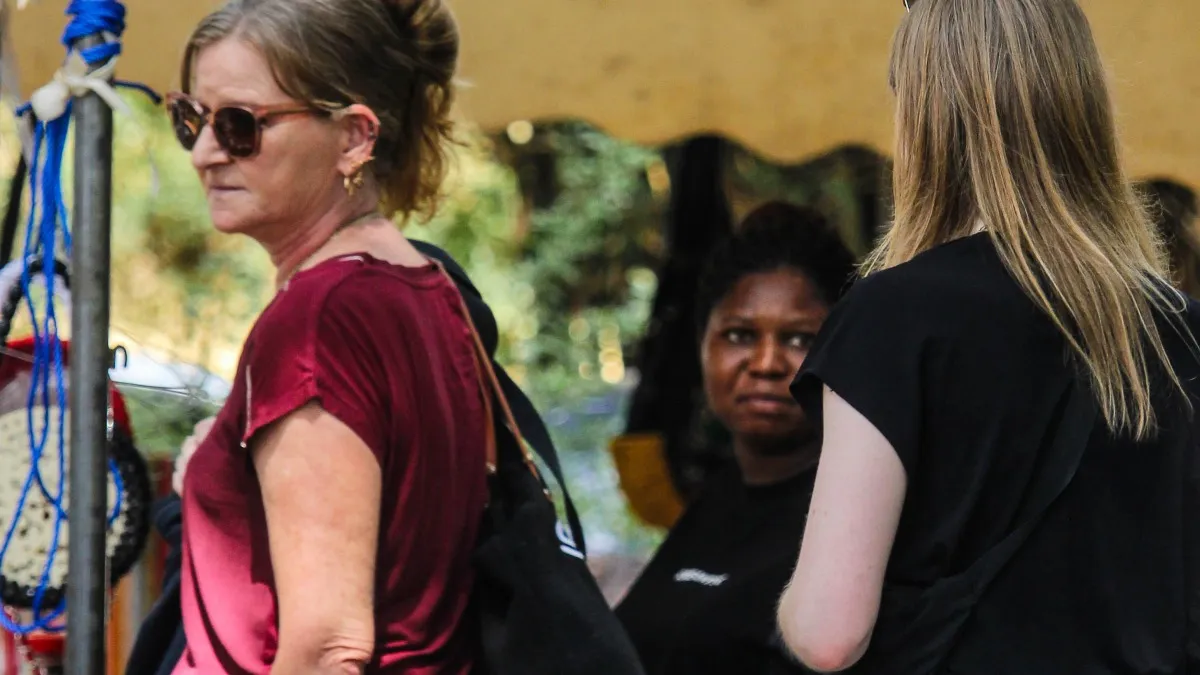
Kumasi’s central market district is energetic, crowded, commercial, and deeply connected to everyday city life.
A properly guided experience can introduce visitors to:
· Textiles
· Food ingredients
· Traditional clothing
· Household goods
· Jewellery
· Herbal products
· Trading culture
· Transport and city movement
This is not the place for an unplanned group to wander while carrying valuables and expensive camera equipment.
Go with a local guide, keep the group together, ask before photographing people, and avoid blocking traders or customers.
Visitors with limited mobility, sensory sensitivities, or young children may prefer a smaller market or curated shopping experience.
Take an Adinkra Workshop in Ntonso
Ntonso is known for Adinkra cloth and the visual symbols used to communicate ideas, values, proverbs, and histories.
A well-organized workshop can include:
· Introduction to Adinkra symbols
· Explanation of selected meanings
· Demonstration of the printing process
· Personal selection of symbols
· Printing your own cloth or keepsake
· Conversation with local artisans
The experience should go beyond stamping a souvenir. Ask the facilitator to explain why particular symbols are chosen and how they are used in different contexts.
See Kente Weaving in Bonwire or Adanwomase
Communities around Kumasi are known for kente weaving and textile production.
During a responsible visit, travelers may:
· Watch a loom demonstration
· Learn how patterns are created
· Understand selected colors and designs
· Try part of the weaving process
· Purchase cloth directly from makers
· Commission a personalized piece
Not every brightly coloured woven product is handmade in the community where it is sold. Ask about the maker, fibre, weaving method, production time, and origin.
A bespoke kente commission can require several weeks or months. Agree on delivery arrangements in writing.
Visit Ahwiaa for Woodcarving
Ahwiaa is associated with woodcarving and other forms of Asante craftsmanship.
Visitors may see stools, sculptures, ceremonial objects, decorative pieces, and household items in different stages of production.
Ask before touching tools or unfinished work. For larger purchases, confirm wood treatment, packaging, export restrictions, luggage requirements, and delivery costs.
Explore the Okomfo Anokye Sword Site
The Okomfo Anokye Sword Site is connected to the history and spiritual traditions of the Asante kingdom.
Approach it with appropriate interpretation rather than treating it as a novelty stop. Confirm access, opening times, and photography rules before you arrive.
Combining the site with Manhyia Palace Museum provides better historical context than visiting it alone.
Eat Your Way Through Kumasi
Food is one of the most accessible ways to experience the city.
Depending on your preferences, try:
· Fufu with light soup or palm-nut soup
· Ampesi with palava sauce
· Rice dishes
· Grilled meat
· Local breakfast
· Street snacks
· Contemporary Ghanaian dining
· A private home or chef-led meal
Adapt the food experience to dietary requirements and comfort level. Travelers don't need to eat at every roadside vendor to have an authentic experience.
A local host can help choose reputable stops and explain ingredients, preparation, and dining customs.
Slow Down at Lake Bosomtwe
Lake Bosomtwe provides a nature and leisure extension outside central Kumasi.
The lake sits within a meteorite-impact crater and has cultural and environmental significance to surrounding communities.
A visit may include:
· Lakeside relaxation
· Guided cultural interpretation
· Walking
· Photography
· A community visit
· Lunch
· An overnight stay
· Boating or swimming where local conditions permit
Do not assume that every section of the lake offers the same facilities or swimming conditions. Select a verified lodge or access point and follow local guidance.
Attend Akwasidae When the Dates Align
Akwasidae is observed according to the Asante ceremonial calendar and can offer visitors an opportunity to witness royal tradition and public homage.
It is not a performance arranged for tourists.
Attendance requires appropriate dress, behavior, timing, and respect for palace instructions. Confirm dates, public access, seating, photography, and program details through reliable local sources before building a trip around it.
How Many Days Do You Need in Kumasi?
One day
Focus on Manhyia Palace Museum, one central cultural site, lunch, and one craft experience.
Two days
Add Ntonso, Bonwire or Adanwomase, Ahwiaa, food, and a more relaxed city experience.
Three days
Include Lake Bosomtwe, additional craft communities, an Akwasidae experience when dates align, or a dedicated heritage and photography program.
Kumasi traffic can be heavy. Group activities by location rather than repeatedly crossing the city.
Explore Kumasi with Herit360
Herit360 can create a private Kumasi city experience or include the Ashanti Region within a longer Ghana journey.
Choose Manhyia Palace Museum, royal-history interpretation, kente weaving, an Adinkra workshop, woodcarving, market exploration, food, Lake Bosomtwe, photography, premium transportation, or an Akwasidae experience when officially confirmed.
Your itinerary will show which activities are included, optional, date-dependent, or awaiting supplier confirmation.
Frequently Asked Questions
How many days do I need in Kumasi?
Two full days give a useful introduction to royal history, city culture and one or two craft communities. Add another day for Lake Bosomtwe or a wider Ashanti route.
Can I attend Akwasidae?
Potentially, when your dates align, and public attendance conditions are confirmed. Check festival calendars and access protocols before selling the itinerary.
Is Kumasi suitable for families?
Yes. Adjust the pace, market exposure, heat, walking, and workshop format for children's ages and older relatives' mobility.
Related Herit360 Guides
· Ghana Heritage Tour: Plan a Meaningful Roots Journey
· Roots Trip to Ghana: How to Plan a Personal Homecoming
· Best Time to Visit Ghana: Weather, Events and Prices
Build a Kumasi experience around your interests Choose Asante royal history, kente, Adinkra, markets, food, crafts, Lake Bosomtwe or a wider Ashanti and Bono East route. Herit360 can coordinate a day experience or multi-day stay. PACKAGE View Roots & Return CUSTOM QUOTE Request a Custom Kumasi Experience WHATSAPP Ask Herit360 |