Ghana Heritage Tour: Plan a Meaningful Roots Journey
Ghana Heritage Tour: Plan a Meaningful Roots Journey
Plan a Ghana heritage tour at the right pace, with the right places and cultural context—from Accra and Assin Manso to Cape Coast, Elmina, and Kumasi.
Written by Herit360 Editorial Team | Operational review: Herit360 Destination Operations | Last reviewed: August 2026
QUICK ANSWER A meaningful Ghana heritage tour should connect places, people and reflection—not simply collect landmarks. A strong route usually links Accra's Pan-African history with Assin Manso, Cape Coast or Elmina and, when time allows, Kumasi, while confirming guides, cultural protocols, transport and rest time before travel. |
A Ghana heritage tour should not feel like a race between monuments. The most meaningful journeys leave enough space to understand what happened, meet the people keeping Ghanaian traditions alive and process the emotions that often accompany a return to places connected to the African diaspora.
That requires more than adding Cape Coast Castle to an ordinary sightseeing itinerary. It means building a thoughtful route through Ghana’s Pan-African history, coastal heritage, living traditions and contemporary culture.
Begin with context in Accra
Accra is the right place to begin because it introduces both Ghana’s independence story and its relationship with the wider African world.
A well-planned heritage experience may include the Kwame Nkrumah Memorial Park, Black Star Square, the W.E.B. Du Bois Memorial Center for Pan-African Culture and the National Museum of Ghana. Together, these places help visitors understand Ghana beyond the history of the transatlantic slave trade.
Jamestown can add another layer to the story. It is one of Accra’s oldest districts, but it is also a living community rather than an open-air museum. The strongest experiences here are led by people who know the neighborhood, its fishing traditions, boxing culture, architecture and changing social life.
Allow time for an orientation conversation before leaving Accra. A historian, cultural interpreter or informed local guide can help the group understand the route ahead and discuss appropriate conduct at memorial and community sites.
Travel through Assin Manso
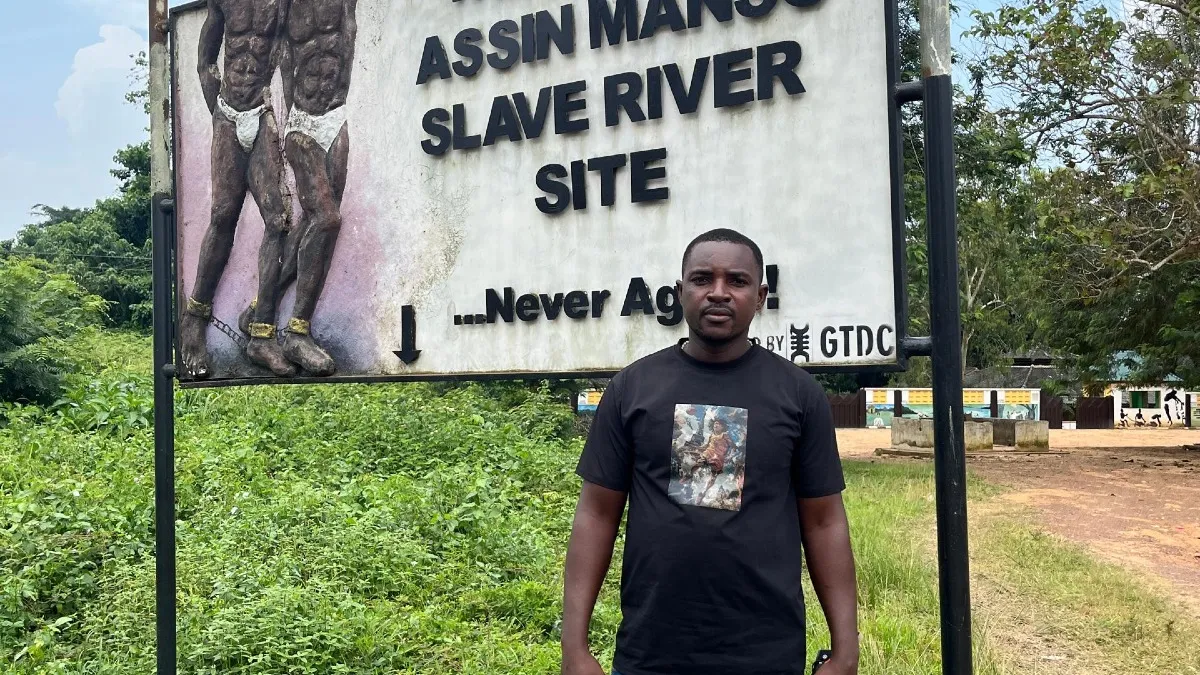
Assin Manso Ancestral Slave River Site is an important stop between Accra and Ghana’s coastal castles.
The site is associated with the final bathing of enslaved Africans who had been forced south before confinement and departure through the coastal forts and castles. Today, it is a place of remembrance, reflection and return.
Assin Manso should not be treated as a quick roadside attraction. A guided visit, quiet reflection and a respectful closing moment make the experience more meaningful. Include ceremonies only when properly arranged with the relevant custodians and community authorities.
Travelers should also understand that the experience can be emotionally demanding. The itinerary should not move immediately from remembrance into loud entertainment.
Visit Cape Coast or Elmina Castle
Cape Coast Castle and St George’s Castle in Elmina are two of Ghana’s best-known heritage sites. Both are connected to European trade, colonial power and the imprisonment and forced departure of enslaved Africans.
The Ghana Museums and Monuments Board operates museums at both castles and provides guided interpretation of the sites and their role in the slave trade.
Although the castles share parts of this history, they are not interchangeable.
Cape Coast Castle became a major British administrative and trading center. Elmina Castle, originally built by the Portuguese, has an earlier European history and sits within the active fishing town of Elmina. Travelers with sufficient time can visit both, preferably on separate days or through a carefully paced overnight stay.
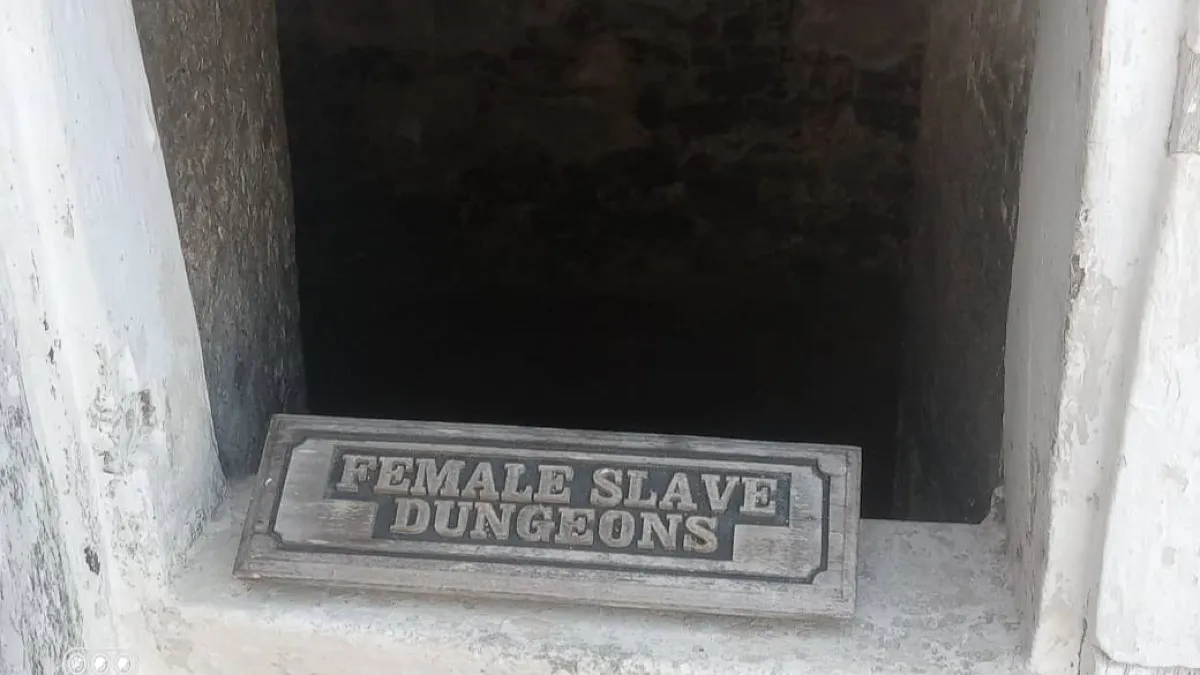
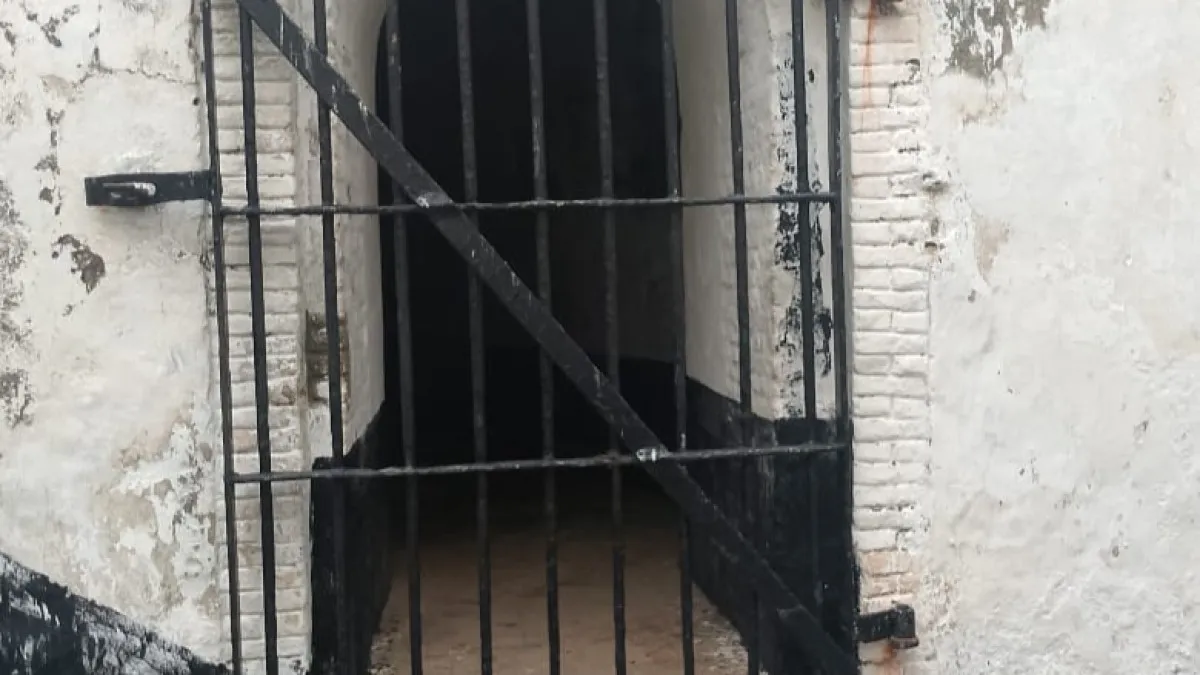
Visitors should arrive prepared to listen. The dungeons, courtyards, and Doors of No Return are not simply photo spots. They are places of grief, survival and historical consequence.
Encounter living heritage in Kumasi
A heritage journey should also show that Ghanaian identity is living, creative and constantly evolving.
Kumasi introduces visitors to Asante history and culture through places such as the Manhyia Palace Museum, the Kumasi Cultural Center and traditional craft communities.
Depending on the itinerary, travelers may visit Bonwire or another kente-weaving community, take an Adinkra workshop at Ntonso, or meet woodcarvers and other artisans. The value lies not only in buying a finished product but in understanding the maker, method, symbols, and cultural meaning behind it.
When the calendar aligns, consider an Akwasidae observance. Confirm attendance, protocol, and any special arrangements rather than assume them.
Consider a naming or community experience carefully
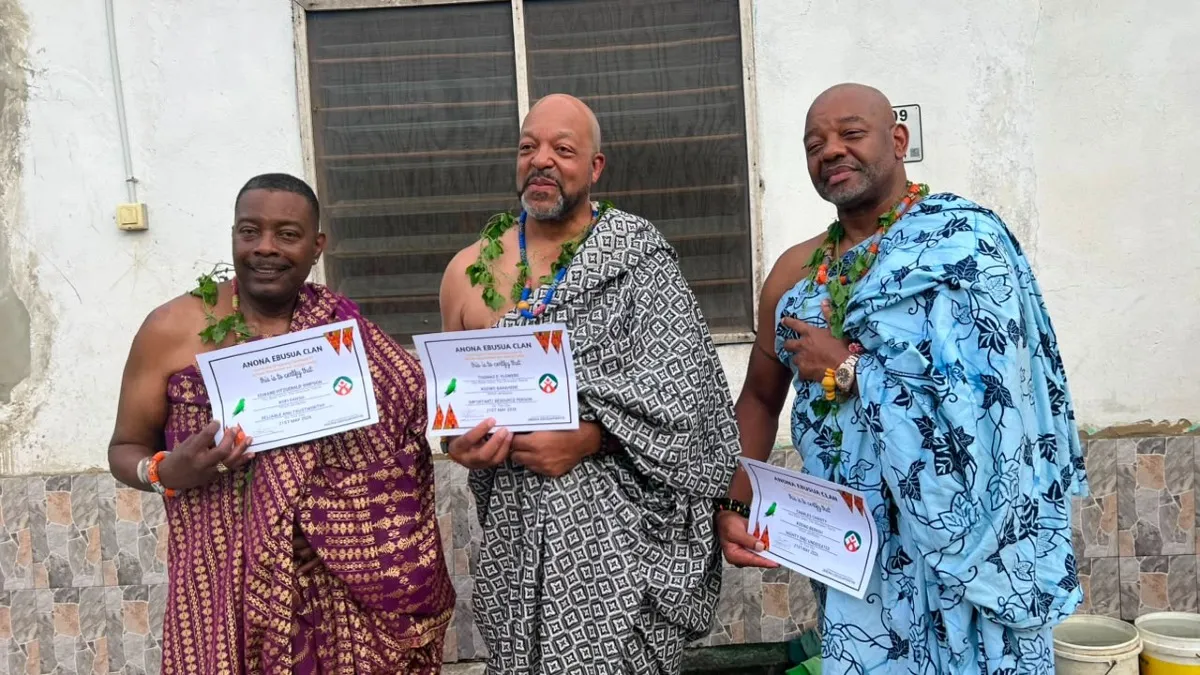
Some diaspora travelers wish to include a traditional naming ceremony; community welcomes or elder blessing.
These experiences can be deeply personal, but they should never be presented as automatic entertainment. Ceremony formats vary across Ghana’s ethnic groups and communities. Names, language, clothing, gifts and protocols may also differ.
A responsible organizer should explain:
· Which community or cultural authority is hosting the experience
· What the ceremony represents
· How the guest should prepare
· Whether photography is permitted
· What fees, gifts or community contributions are involved
· Whether the experience creates any formal kinship or legal status
A ceremony should not make unsupported claims about a traveller’s precise ancestral origin.
How many days should a Ghana heritage tour take?
An eight-day journey can cover Accra, Assin Manso, Cape Coast or Elmina and a carefully selected Kumasi experience. However, it will require disciplined routing.
A 10-to-12-day journey provides a better balance. It allows time for:
· Accra’s Pan-African history
· Assin Manso and the coastal castles
· Reflection and recovery
· Kumasi and Asante heritage
· A craft or community experience
· A naming ceremony, where properly arranged
· Unstructured time and personal discovery
Travelers seeking genealogy consultation, both castles, deeper community engagement, or an additional region should consider a longer stay.
Questions to ask before booking
Before paying for a Ghana heritage tour, ask the organizer:
· Which reservations are confirmed?
· Who will provide historical interpretation?
· Are ceremonies approved by the participating community?
· What is included in the quoted price?
· How long are the road transfers?
· Is the itinerary private or shared?
· What happens if a site, guide, or ceremony becomes unavailable?
· What support is available during the journey?
The answers should be visible before booking. A polished itinerary should never hide uncertainty.
Build a journey that leaves room for meaning
Ghana’s heritage cannot be reduced to castles and memorials. It also lives in language, food, music, craftsmanship, family life, festivals and the ordinary ways people understand their communities.
Herit360 designs customizable Ghana heritage journeys around each traveller’s interests, pace and emotional needs. Accommodation, transportation, guides, ceremonies and special experiences are confirmed transparently, with on-ground support throughout the journey.
Frequently Asked Questions
How many days do I need for a Ghana heritage tour?
Eight to twelve days allows a better-paced Accra, Central Region and Kumasi route. A shorter trip can still be meaningful, but it should focus on fewer places rather than compressing every heritage site into long road days.
Should I visit both Cape Coast and Elmina castles?
Not necessarily. One carefully guided castle visit may be more appropriate for travelers who want time for reflection; visiting both works when the itinerary has enough space and each site has a clear purpose.
Can a heritage tour include a naming ceremony?
Yes, when an appropriate community host, purpose and protocol are confirmed in advance. It should be presented as a relationship-based cultural experience, not guaranteed as a generic attraction.
Related Herit360 Guides
· Roots Trip to Ghana: How to Plan a Personal Homecoming
· Cape Coast Castle Tour: What to Know Before You Go
· Naming Ceremony in Ghana: A Respectful Diaspora Guide
Turn Ghana's history into your own journey Explore Accra, Assin Manso, Cape Coast or Elmina, Kumasi and living cultural traditions through a deliberately paced heritage experience. Customize the route, accommodation, ceremonies and support around your dates. PACKAGE View Roots & Return CUSTOM QUOTE Request a Heritage Journey Quote WHATSAPP Ask Herit360 |