Roots Trip to Ghana: How to Plan a Personal Homecoming
Roots Trip to Ghana: How to Plan a Personal Homecoming
Plan a roots trip to Ghana around your family story, emotional pace and interests, with heritage sites, cultural connection and local support.
Written by Herit360 Editorial Team | Operational review: Herit360 Destination Operations | Last reviewed: August 2026
QUICK ANSWER A roots trip to Ghana becomes personal when the itinerary starts with your story: what you know, what you hope to understand, and how much emotional space you need. Historical sites matter, but so do skilled interpretation, cultural exchange, reflection, family goals and a transparent plan showing what has actually been confirmed. |
For many diaspora travelers, a roots trip to Ghana begins long before the flight. It may start with a family story, a DNA result, a surname, a book, a conversation with a grandparent or simply a persistent feeling that it is time to go.
That makes the journey different from an ordinary holiday. Excitement, grief, curiosity, and expectation may travel together.
A good roots trip respects all of those emotions without promising answers that Ghana, a tour operator or a DNA test cannot reliably provide.
Decide what “roots” means to you
Not every traveler arrives with the same intention.
One person may want to understand the transatlantic slave trade. Another may be looking for Pan-African history, a community connection, a naming ceremony or the experience of being in a majority-Black country. Someone else may be researching known Ghanaian family history.
Before choosing an itinerary, ask yourself:
· Am I looking for historical understanding?
· Do I have documented family connections to Ghana?
· Is this a spiritual or personal homecoming?
· Do I want to meet historians, genealogists, artisans or community leaders?
· Am I traveling alone, with relatives, or as part of a group?
· How much quiet time will I need?
These questions shape the route far better than a generic list of attractions.
Be realistic about ancestry research
DNA testing can offer useful clues about broad genetic relationships, but it does not automatically identify a specific Ghanaian village, family, stool, clan or ethnic identity.
Records connected to the transatlantic slave trade are incomplete. Names were changed, relationships were broken, and many documents were created by institutions involved in enslavement rather than by the people who were taken.
A genealogy consultation can still be valuable. It may help you organize family information, review available records, and understand migration patterns. But a responsible researcher will distinguish documented findings from possibilities.
Be cautious of anyone who guarantees that they can identify your exact ancestral community without credible supporting evidence.
Start the journey in present-day Ghana
It can be tempting to begin and end a roots trip with the slave-trade sites. That creates an incomplete picture.
Ghana is not frozen in the period of enslavement. It is a modern country shaped by many peoples, languages, political traditions, religious practices and creative movements.
Begin in Accra with independence and Pan-African history. The Kwame Nkrumah Memorial Park and W.E.B. Du Bois Center help connect Ghana’s national story to wider movements for Black freedom and political self-determination.
A visit to the National Museum, an informed city experience or a historian-led orientation can establish the context needed for the rest of the journey.
Ghana’s continuing engagement with the global African family extends beyond the 2019 Year of Return. The country’s Beyond the Return initiative has continued to encourage diaspora connection, cultural exchange and longer-term relationships with Ghana. The Ministry of Tourism has also emphasized the importance of diaspora engagement outside the December peak. Ministry of Tourism, Culture and Creative Arts
Follow the remembrance route with care
Assin Manso, Cape Coast and Elmina are central to many roots journeys.
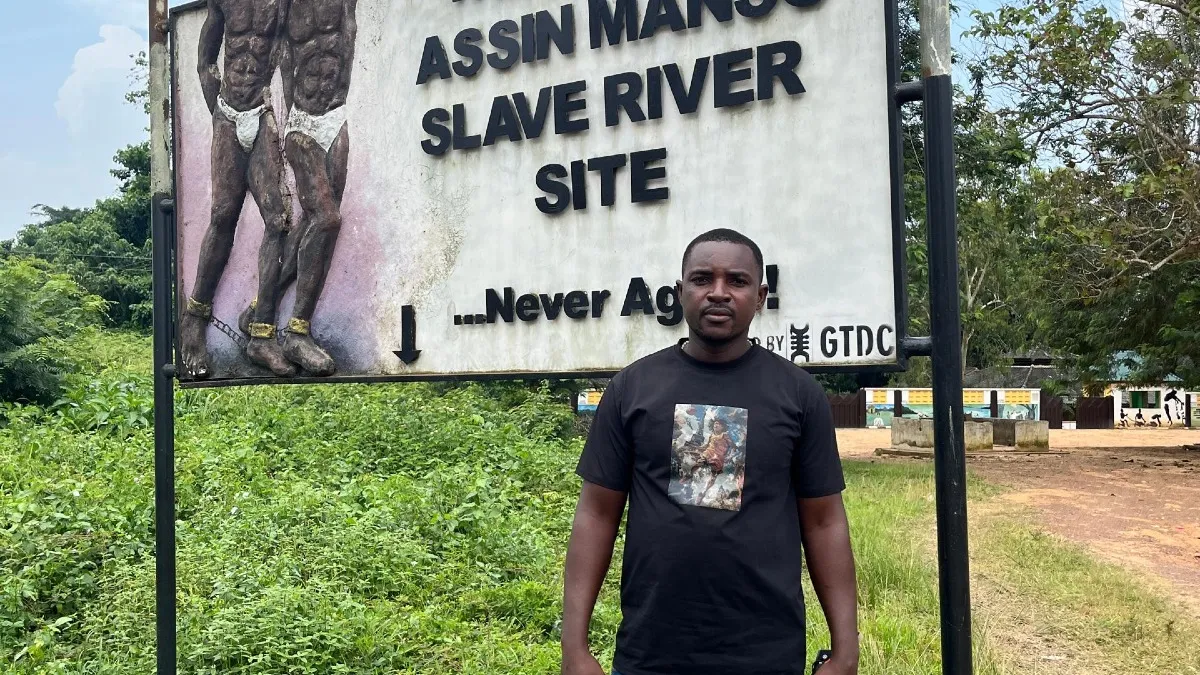
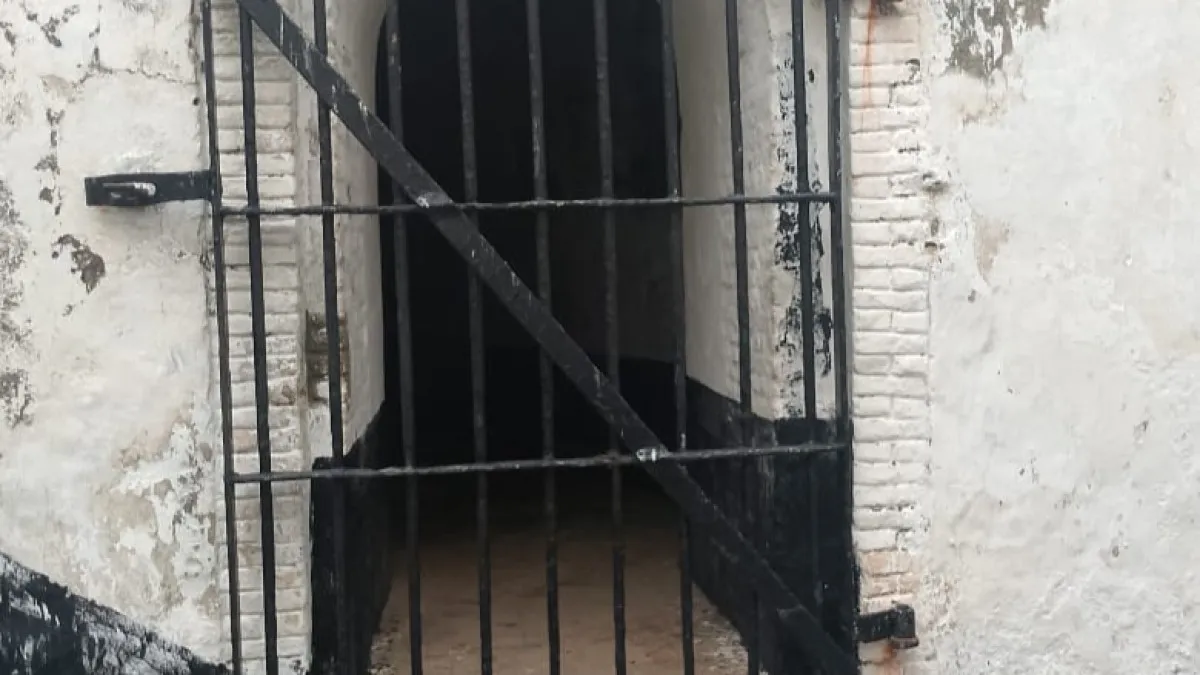
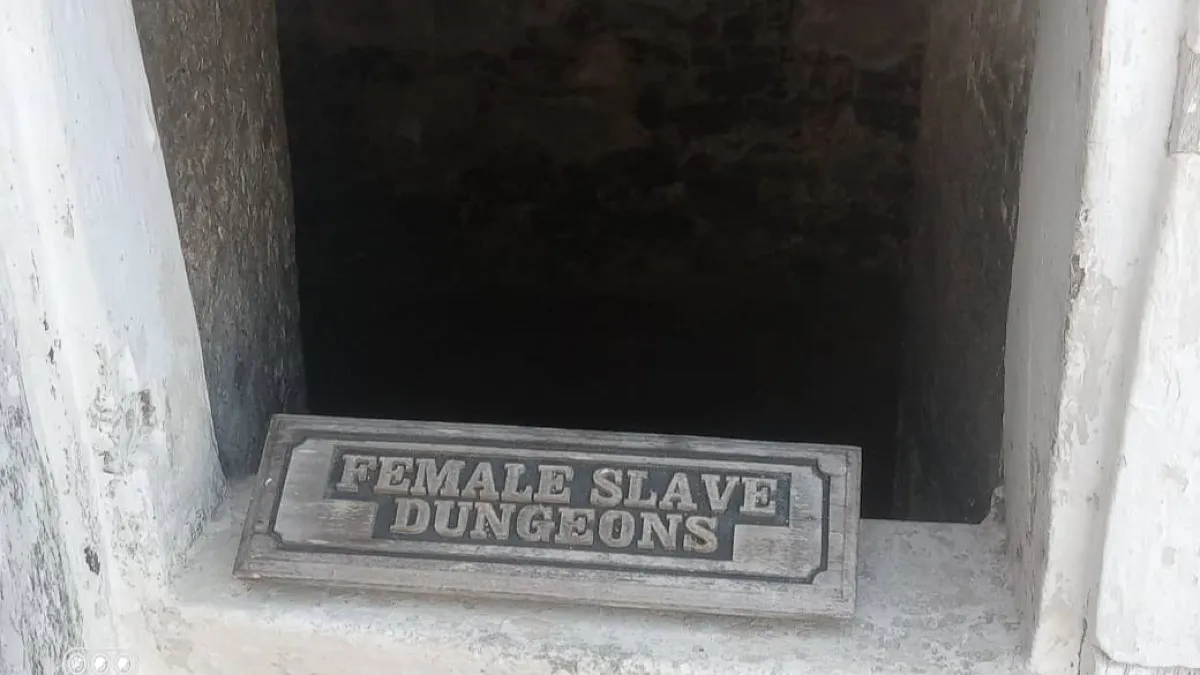
Assin Manso is associated with the final bathing of enslaved Africans forced toward the coast. Cape Coast Castle and Elmina Castle preserve physical evidence of the systems that imprisoned and transported people across the Atlantic.
These are not interchangeable sightseeing stops. Each carries its own history, geography and emotional weight.
Avoid trying to visit Assin Manso, both castles, Kakum National Park and several coastal attractions in one rushed day. It may be technically possible to move between some of them, but movement is not the same as understanding.
Build in time to sit, write, talk or remain silent. Some travelers prefer a quiet meal or time beside the coast after visiting the castles. Others need to return to their accommodation and rest.
There is no correct emotional response.
Include Ghana’s living traditions
A roots trip becomes more complete when it connects remembrance with survival, creativity and continuity.
Kumasi and the wider Ashanti Region can introduce travelers to Asante royal history, kente weaving, Adinkra symbolism, woodcarving and contemporary cultural life. Other routes may focus on the Volta Region, northern Ghana, the Eastern Region or a community connected to the traveller’s documented family history.
Choose hands-on experiences carefully. A weaving or Adinkra workshop should identify the artisan and explain the practice's meaning. Pay community contributors fairly, and make sure guests know what part of their payment reaches the local host.
Approach naming ceremonies with humility
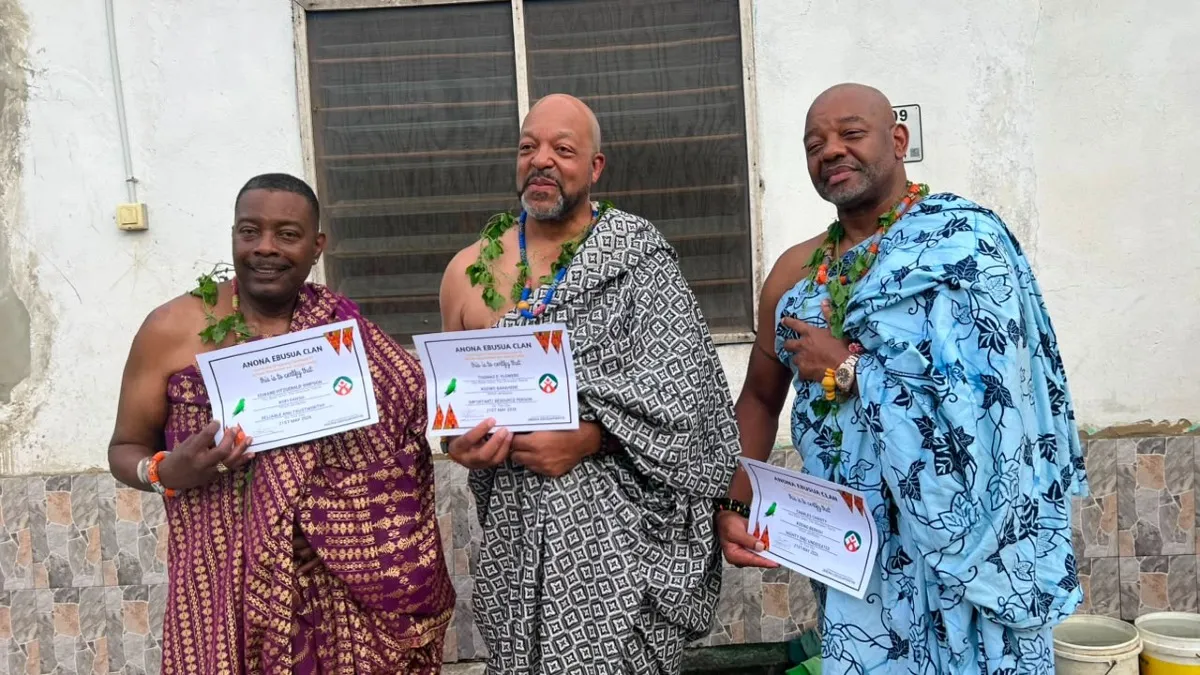
A traditional naming ceremony can become one of the most memorable parts of a roots trip. It may include the presentation of a Ghanaian day name, family or community name, prayers, libation, music, clothing or words from elders.
There is no single national naming ceremony. Practices vary between communities.
Ask who is conducting the ceremony, what tradition it follows, and what the name signifies. The organizer should clarify whether it is a cultural welcome, a religious ceremony, a family event or another form of community recognition.
A ceremony can express welcome and belonging without pretending to prove a biological connection.
Choose the right pace
An eight-day trip can provide an introduction, but 10 to 12 days works better for travelers who want Accra, the Central Region and Kumasi without constant movement.
A deeper journey may include:
· An arrival and orientation day
· Two days exploring Accra’s history and contemporary culture
· Assin Manso and the coastal heritage route
· A recovery or reflection day
· Two or three days in Kumasi and nearby craft communities
· A genealogy consultation
· A confirmed naming or community experience
· A farewell gathering
· Personal time without programmed activities
If you plan to add northern Ghana, the Volta Region or another substantial regional immersion, extend the trip instead of forcing it into the same schedule.
Bring something home besides photographs
Keep a journal. Record the names of guides, artisans and community hosts. Save the meaning of symbols and names you receive. Ask permission before photographing people or ceremonies.
Consider commissioning a locally made item whose provenance you understand rather than buying a generic souvenir. A piece of kente, an Adinkra work, a book, a recording or a family portrait may carry the journey forward more meaningfully.
A roots trip does not need to answer every question. Sometimes its value lies in helping you ask better ones.
Herit360 creates customizable roots journeys that combine verified heritage experiences, thoughtful pacing, transparent confirmations and on-ground support. The journey can be designed around your family history, interests, mobility needs, preferred accommodation and the amount of time you want for reflection.
Frequently Asked Questions
Do I need DNA results before taking a roots trip to Ghana?
No. DNA information can inform personal questions, but it does not identify a specific Ghanaian family, stool or community on its own. A roots journey can be meaningful without making claims the evidence cannot support.
What makes a roots trip different from a general tour?
A roots trip gives more weight to identity, historical interpretation, remembrance, community protocol and reflection. It should be paced around the traveler rather than treated as a standard sightseeing circuit.
Can Herit360 customize the journey for a family group?
Yes. The route can be shaped around ages, mobility, rooming, shared family moments, private transport and the level of cultural or ceremonial participation the group wants.
Related Herit360 Guides
· Ghana Heritage Tour: Plan a Meaningful Roots Journey
· Naming Ceremony in Ghana: A Respectful Diaspora Guide
· Cape Coast Castle Tour: What to Know Before You Go
Planning your return to Ghana? Herit360 can coordinate the journey from your airport welcome and accommodation to ancestral sites, reflection experiences, cultural workshops, and an optional traditional naming ceremony. PACKAGE Explore the Roots & Return Journey CUSTOM QUOTE Build My Roots Journey WHATSAPP Ask Herit360 |