Assin Manso Slave River Site
Heritage Site | Slave Route Memorial | Cultural Landmark | Historical Attraction
Description
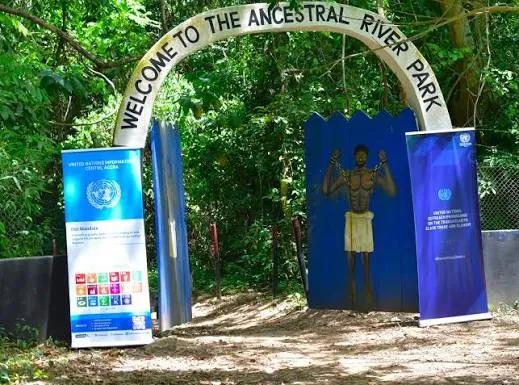
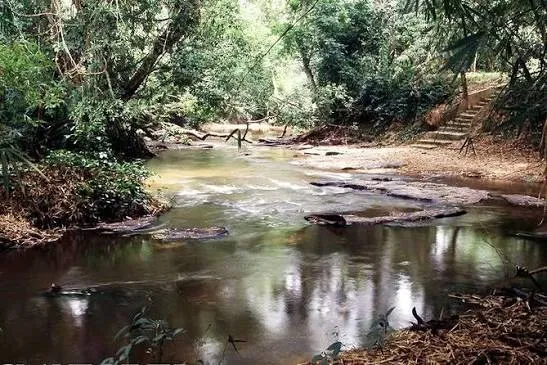
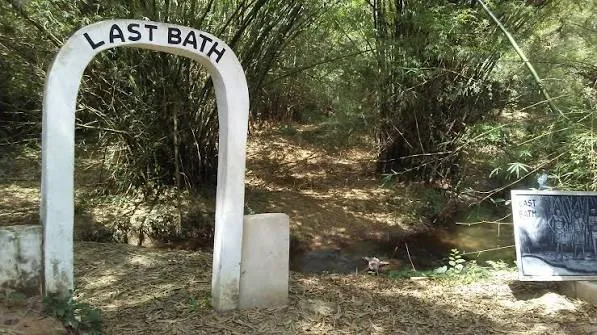
The Assin Manso Slave River Site, also known as Donkor Nsuo (Slave River), is one of Ghana’s most powerful heritage and remembrance sites. During the 18th and 19th centuries, it served as a major inland slave market and resting point where enslaved Africans, captured from northern Ghana and neighboring regions, were allowed to rest, eat, and take their “Last Bath” before the final march to the slave castles at Cape Coast and Elmina for shipment across the Atlantic.
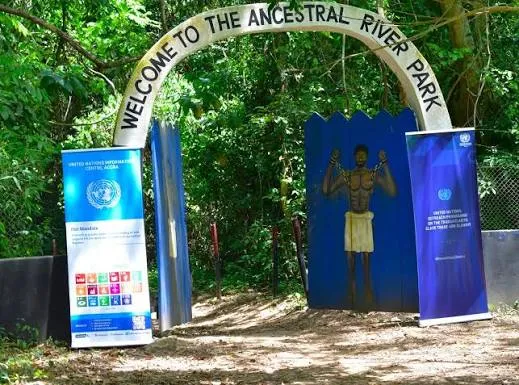
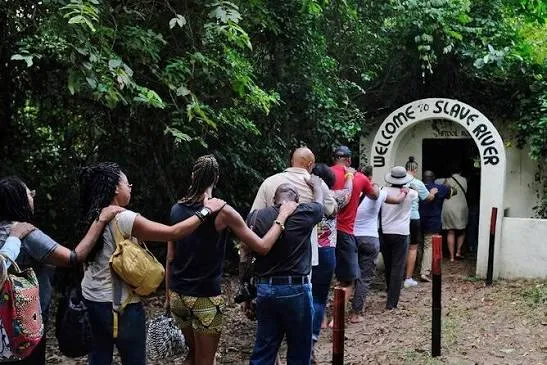
Today, the site features the Slave River, a Memorial Wall of Return, and an Ancestral Graveyard, where the remains of two formerly enslaved Africans, one repatriated from Jamaica and another from the United States, were reinterred during Ghana’s Emancipation Day commemorations in 1998. It has become an important pilgrimage destination for members of the African diaspora seeking to reconnect with their ancestral roots and is a key stop on Ghana’s heritage tourism trail.
Experience Location & Route
📍 Address
Assin Manso Slave Market and River Site, Mankessim - Kumasi Rd, Assin Manso, Ghana
🗺️ Nearby Places
Visit Ghana’s most famous slave castle, including the historic dungeons and the Door of No Return.
Explore the oldest European building in Sub-Saharan Africa and learn about the transatlantic slave trade.
Walk across Ghana’s famous rainforest canopy walkway and discover diverse wildlife.
Tour one of the largest British-built forts on the Gold Coast overlooking the Atlantic Ocean.
Visit a UNESCO-listed coastal fort with panoramic ocean views.
Enjoy canoe rides with crocodiles, birdwatching, and lush tropical gardens.
Wander through colonial streets, museums, cafés, and vibrant local markets.
Relax on a quiet stretch of golden sand ideal for swimming and picnics.
Experience one of West Africa’s largest fishing communities with colorful canoes and bustling fish markets.
Discover traditional Asafo shrines and the rich cultural history of the Fante people.