International Stingless Bee Centre
Eco Tourism | Educational Attraction | Research Centre | Nature Experience
Description
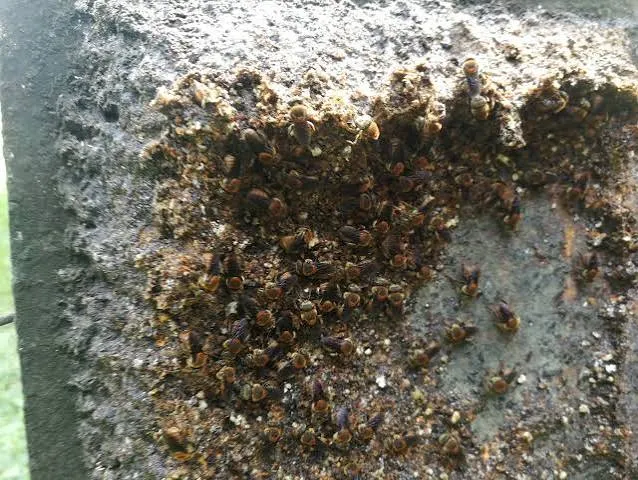
The International Stingless Bee Centre (ISBC) is Ghana’s premier destination for apitourism (bee tourism) and environmental education. Located in Abrafo-Odumase, just minutes from Kakum National Park, the centre was established through research led by the University of Cape Coast to conserve African stingless bees, promote sustainable beekeeping, and educate visitors about the vital role bees play in biodiversity and food production.
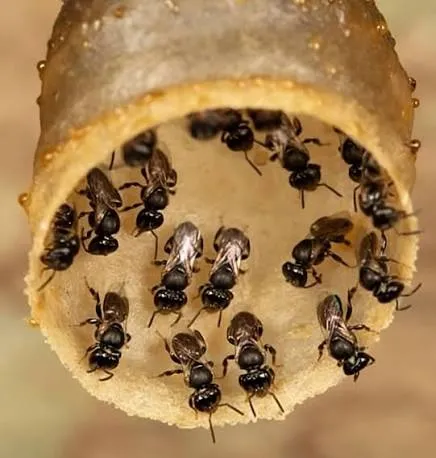
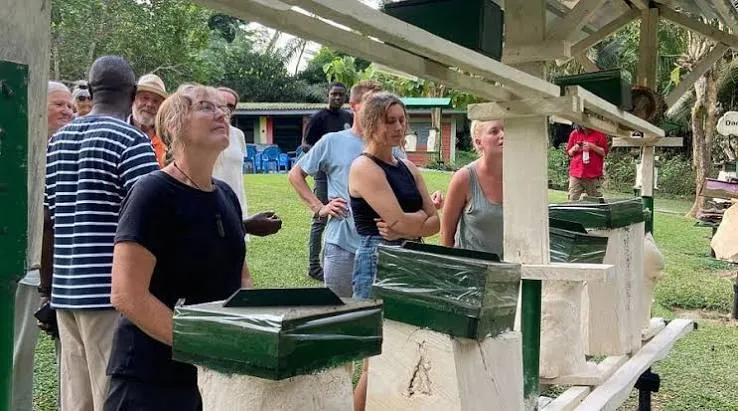
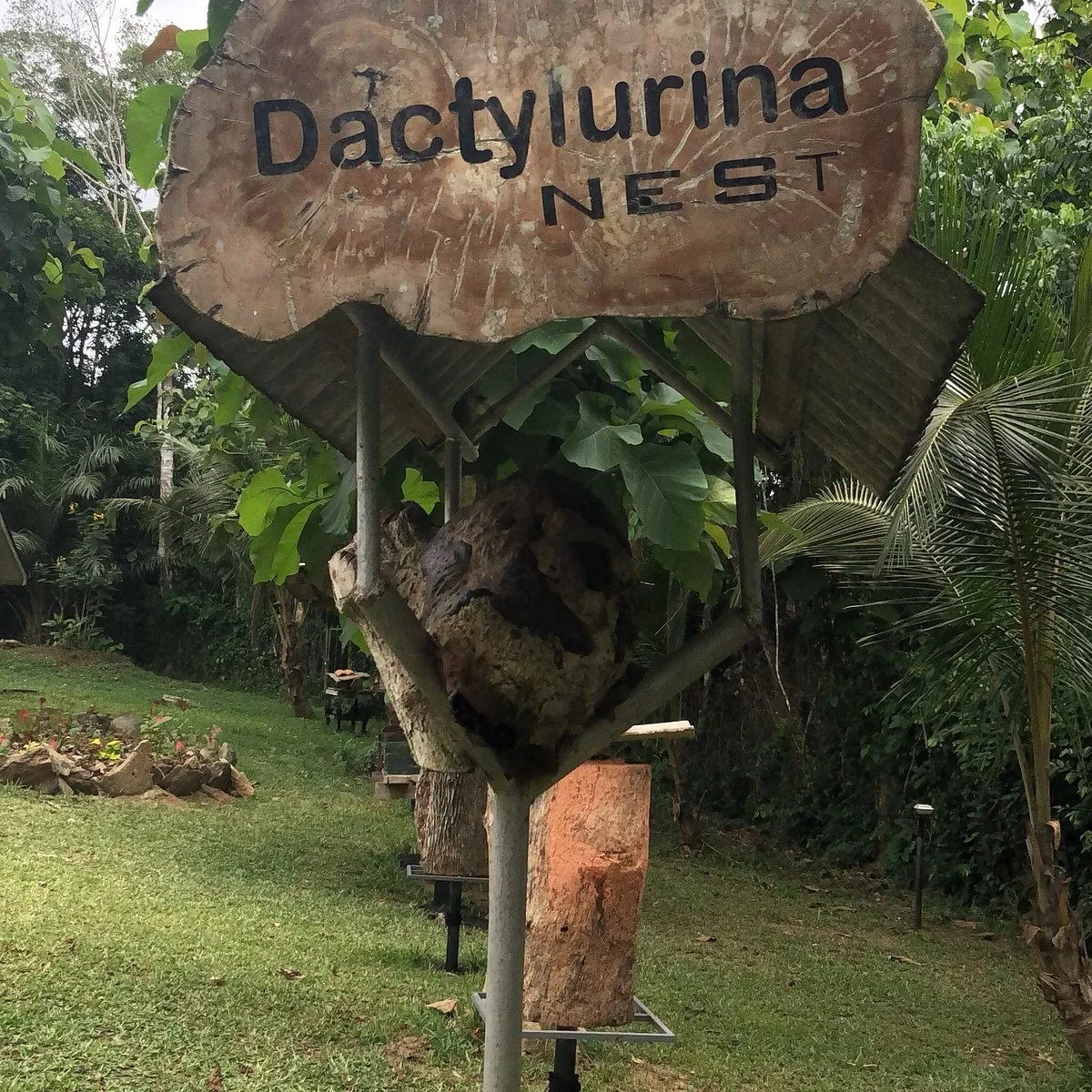
Unlike honeybees, stingless bees do not sting, allowing visitors to observe them safely at close range. Guided tours introduce guests to different native bee species, their remarkable nesting habits, pollination, honey production, and their importance to Ghana’s ecosystems. Visitors can sample and purchase premium stingless bee honey, pollen, propolis, and other natural bee products, while learning about the medicinal and nutritional value of these unique hive products. The centre also serves as an international research and training facility, making it one of Africa’s leading destinations for bee conservation and environmental education.
Experience Location & Route
📍 Address
International Stingless Bee Centre, Odumase Abrafo, Ghana
🗺️ Nearby Places
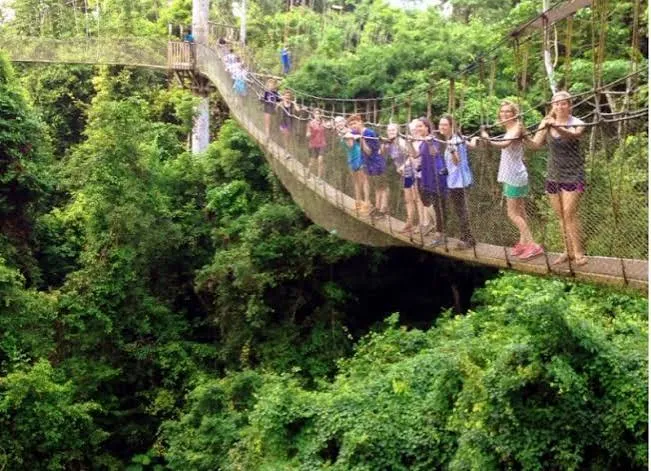
Walk Ghana’s famous rainforest canopy walkway, hike through tropical forest trails, and spot wildlife.
Enjoy crocodile viewing, canoe rides, birdwatching, and tropical gardens.
Explore one of Ghana’s most important UNESCO World Heritage Sites and learn about the transatlantic slave trade.
Visit the historic “Last Bath” site where enslaved Africans rested before their final journey to the coast.
Tour the oldest European building in Sub-Saharan Africa and its renowned museum.
Wander through colonial streets, cafés, museums, and vibrant local markets.
Relax on a peaceful Atlantic beach with golden sands and scenic ocean views.
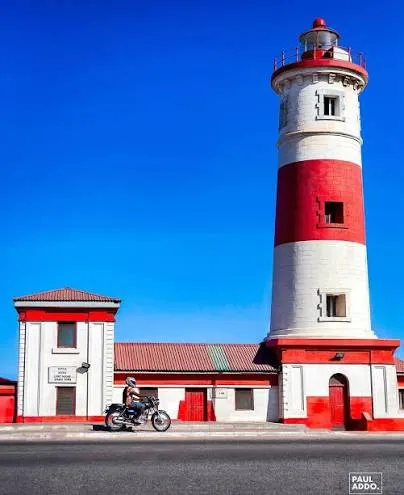
Visit one of the largest British-built forts on the Gold Coast.
Discover the traditional Asafo shrines and rich cultural heritage of the Fante people.